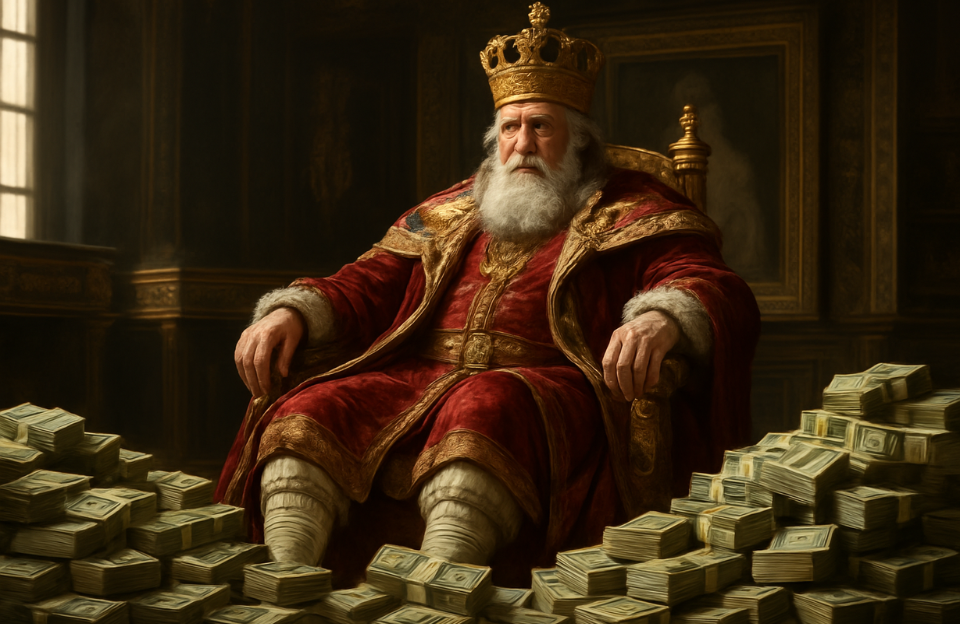
When people think about extreme wealth, they often imagine tech billionaires, oil tycoons, or investment moguls. But beyond Silicon Valley and Wall Street exists another level of power and prosperity – one rooted in centuries of royal legacy.
The richest monarch in the world does not just own companies or shares. He controls a staggering empire of real estate, private aircraft, luxury vehicles, and maritime vessels that redefine what generational wealth truly means.
Imagine:
17,000 residences worldwide
38 private aircraft
300 luxury automobiles
52 high-end yachts
This is not fiction. This is royal wealth at a scale few can comprehend.
ADVERTISEMENT
<
>
In this in-depth guide, we break down:
How the richest monarch in the world built such extraordinary wealth
A full asset breakdown
How royal wealth compares to billionaires
The structure behind monarchy-controlled assets
The long-term economic impact of royal fortunes
Let’s explore the empire behind the crown.
Who Is the Richest Monarch in the World?
The title of richest monarch in the world belongs to a royal leader whose fortune stems from centuries-old dynastic inheritance, strategic asset management, state-backed enterprises, and global investment holdings.
Unlike self-made billionaires, monarch wealth is typically:
Generational
State-integrated
Institutionally protected
Diversified across industries
While entrepreneurs build companies, monarchs often inherit entire economic ecosystems.
Top book recommended by the creator
ADVERTISEMENT
🔥 Important Notice!
This book isn’t for sale – it’s our free gift to you from Millionaire Script, a token of love and appreciation for being part of our journey.
Below is a summarized table of the reported assets belonging to the richest monarch in the world:
Asset Category
Estimated Quantity
Description
Residential Properties
17,000+
Palaces, estates, villas, apartments
Private Aircraft
38
Long-range jets, VIP aircraft
Luxury Cars
300+
Rolls-Royce, Bentley, Ferrari, rare classics
Luxury Yachts
52
Mega yachts, royal vessels
Land Holdings
Millions of acres
Urban & rural strategic land
Investment Portfolios
Multi-billion
Banking, energy, real estate
This level of diversification ensures that the wealth of the richest monarch in the world continues expanding year after year.
<
>
1. 17,000 Properties: A Real Estate Empire
Real estate forms the backbone of royal wealth.
ADVERTISEMENT
Owning over 17,000 residences means controlling:
Commercial real estate in prime cities
Luxury residential developments
Historic royal palaces
High-value urban land
Tourist and heritage properties
Real estate offers:
✔ Appreciation over time ✔ Rental income streams ✔ Collateral leverage ✔ Political influence
Unlike tech stocks, land rarely disappears. This is why monarchies prioritize property acquisition across generations.
2. 38 Private Aircraft: A Royal Air Fleet
The richest monarch in the world operates a fleet comparable to a small airline.
These aircraft include:
Long-range intercontinental jets
Customized VIP airliners
Private business jets
Military-grade transport planes
Why such a large fleet?
Diplomatic missions
Global business operations
Security logistics
Emergency evacuation capabilities
In monarchy systems, mobility equals power.
3. 300 Luxury Cars: A Royal Automotive Collection
Car collections often symbolize personal taste and status. But for the richest monarch in the world, automobiles represent heritage, exclusivity, and global prestige.
Typical vehicles in royal collections include:
Rolls-Royce Phantom editions
Bentley Mulsanne models
Rare Ferraris
Limited-edition Lamborghinis
Vintage royal ceremonial vehicles
Many of these cars are:
Custom-built
Gold-plated
One-of-one models
Museum-grade collectibles
Some are never driven – only preserved as historical assets.
4. 52 Luxury Yachts: Maritime Power and Prestige
Owning 52 luxury yachts isn’t just about leisure.
Yachts serve:
Diplomatic hosting
Strategic international meetings
Private travel
Maritime influence
Mega yachts often include:
Helipads
Ballrooms
Submarine docks
Medical suites
Security command centers
At this scale, maritime assets become floating palaces.
Interestingly, while some billionaires may temporarily surpass royal fortunes in liquid net worth, the structural stability of monarchy-controlled wealth often proves more resilient over decades.
Estimated Net Worth
While exact figures are debated, estimates place the fortune of the richest monarch in the world between:
$30 billion to $70+ billion
This estimate depends on:
Asset valuation methods
Inclusion of crown vs personal property
Real estate appreciation
Public transparency levels
Royal wealth often remains partially undisclosed.
<
>
Why Royal Wealth Continues to Grow
Royal financial systems benefit from:
Land scarcity appreciation
Long-term asset holding strategy
Political stability influence
Tax advantages
Institutional management teams
Monarchies rarely liquidate major holdings. Instead, they accumulate.
The Economic Impact of Royal Wealth
The wealth of the richest monarch in the world impacts:
National GDP
Employment through property management
Tourism revenue
Global diplomatic relations
Investment inflows
Royal estates often become:
Tourist attractions
Cultural landmarks
Economic hubs
Thus, royal wealth is intertwined with national economic performance.
Criticism and Controversy
Royal fortunes often spark debates about:
Wealth inequality
Transparency
Public vs private ownership
Tax privileges
However, supporters argue that monarchies:
Preserve cultural heritage
Provide political continuity
Stimulate tourism
Protect long-term national assets
The debate continues globally.
The Psychology Behind Royal Wealth Fascination
Why does the story of the richest monarch in the world captivate millions?
Because it represents:
Extreme luxury
Legacy power
Generational influence
Stability beyond market cycles
In an era of rapid wealth creation and destruction, monarch wealth feels timeless.
Conclusion: A Fortune Built for Centuries
Therichest monarch in the world represents a form of wealth that transcends modern capitalism. While billionaires rise and fall based on markets and innovation cycles, royal fortunes are designed to endure.
With 17,000 properties, 38 jets, 300 cars, and 52 yachts, this is not just luxury – it is institutionalized power backed by centuries of asset accumulation.
Royal wealth teaches one powerful lesson:
True long-term wealth is built on ownership, diversification, and time.